
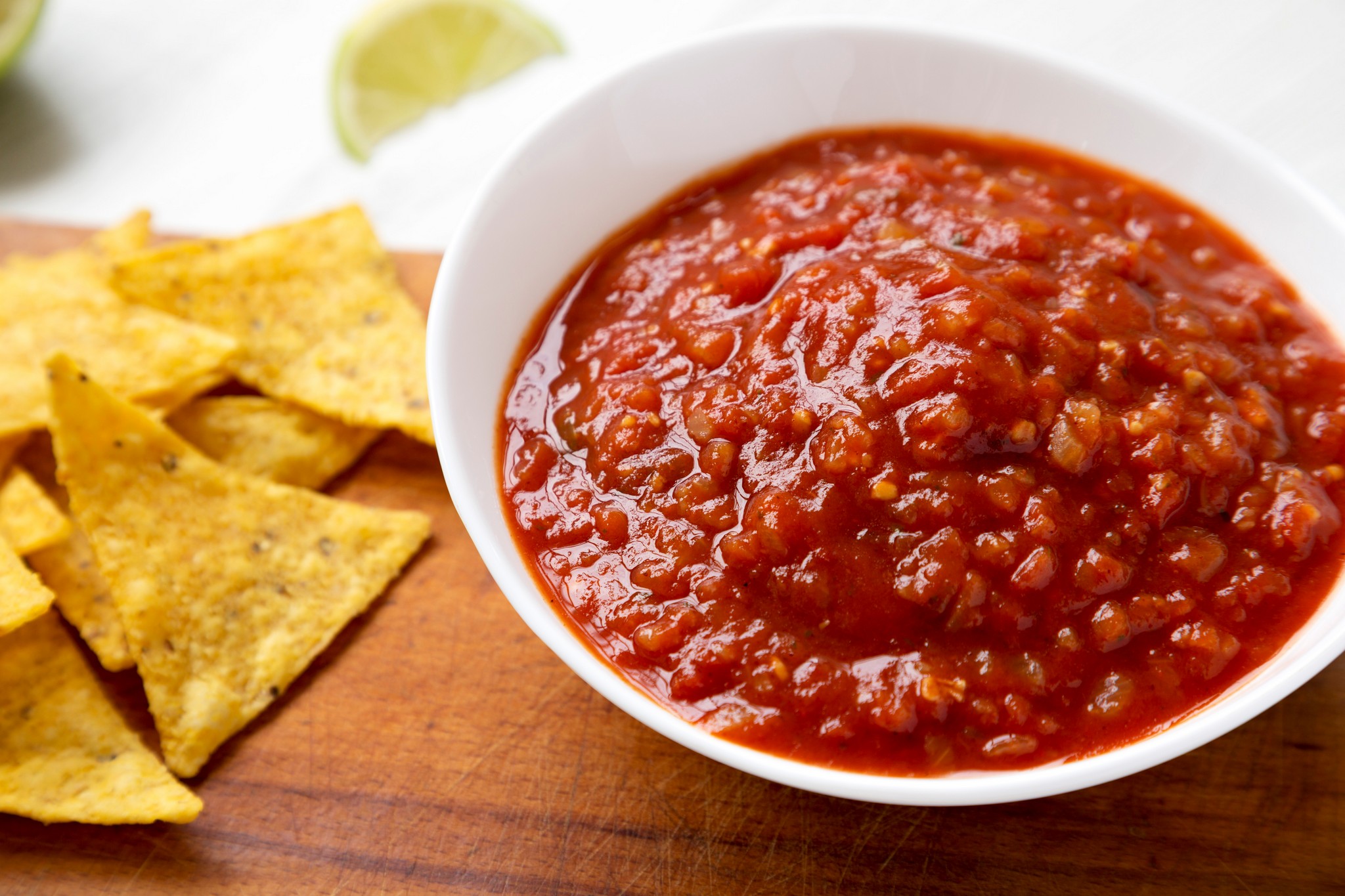
When you grow up around as many types of salsa as New Mexicans do, you learn pretty quickly that not all salsas are created equal. Mexican salsa has its own bright, lime-kissed freshness, while New Mexican salsa carries that deep roasted chile warmth we crave. And honestly? Both styles have their place—just not on the same plate.
At Sadie’s of New Mexico, we proudly serve New Mexican salsa that’s built on traditions that have shaped our local kitchen for generations. But we know our guests are curious. They travel, they sample, and often ask us how Mexican salsas compare to New Mexican versions.
In this guide, we’re breaking down what sets these two salsa traditions apart, and how to choose the right salsa for whatever dish you’re dreaming of.
Mexican Salsa vs. New Mexican Salsa: The Real Difference
Mexican and New Mexican salsas may share similar qualities, but they come from different traditions, different ingredients, and entirely different moods on the palate.
Authentic Mexican salsa tends to lean fresh and lively, often made with raw ingredients like tomatoes, onions, cilantro, and lime. It’s typically textured and made to top things off with a burst of acidity and flavor. It’s the kind of salsa that dances on the tongue, bright and tangy, with a heat that builds gently.
New Mexican salsa, though? That’s a whole different love story.
Ours is built around roasted chile and peppers—red or green—giving it a deeper, smokier, earthier flavor. Instead of lime, you get warmth and heat. Instead of crunch, you get softness and silky smooth textures. It’s a salsa that’s meant to be poured or dipped.
Both kinds of salsa are delicious in their own right, but their purposes differ. Mexican salsa lifts and brightens a dish while New Mexican salsa grounds it and adds depth.
Think of them as cousins: related, friendly, but not really interchangeable on the plate.
Now let’s walk through the main styles side by side so you can see exactly how they compare.
A Quick Look at Different Salsa Types
Mexican and New Mexican salsas each come with their own personality.
Here’s a quick side-by-side look to help you see the bigger picture.
| Style | Common Ingredients | Texture | Heat Level | Flavor Profile | Typically Paired With |
| Mexican Pico de Gallo | Raw Tomato, Onion, Cilantro, Lime, Chile | Chunky & Fresh | Mild-Medium | Bright, Tangy, Herbaceous | Tacos, Grilled Meats, Fish |
| Mexican Salsa Verde | Tomatillos, Jalapeños/Serrano, Cilantro | Slightly Chunky | Mild-Medium | Tangy, Citrusy, Green | Carnitas, Enchiladas Verdes |
| Mexican Roja | Tomato, Onion, Garlic, Dried Chiles | Smooth | Medium | Toasty, Peppery, Lightly Smoky | Tacos, Quesadillas |
| New Mexican Green Chile Salsa | Roasted Hatch Green Chile, Garlic, Onion | Soft & Smooth | Medium-Hot | Roasted, Savory, Earthy | Breakfast Dishes, Burritos, Burgers |
| New Mexican Red Chile Salsa | Red Chile Pepper Pods, Garlic, Onion | Silky & Deep | Medium-Hot | Earthy, Warm, Slightly Smoky | Enchiladas, Smothered Plates |
| New Mexican Restaurant Salsa | Roasted Green or Red Pepper Base, Tomatoes Optional | Soft & Dippable | Varies | Bold, Hot, Comforting | Chips, Eggs, Everything on the Table |
Mexican Salsa: Fresh and Bright
While it’s important to note Mexico has enormous salsa diversity, popular Mexican salsas in restaurants typically tend to start with raw ingredients and acidity.
These salsas are perfect when you want lift and zing rather than depth or smoke. They wake up tacos, cut through richness, and bring a little fiesta to any plate.
New Mexican Salsa: Roasted and Bold
New Mexican salsa is pepper and heat-first, always. They’re typically roasted and served warmer or room temperature compared to Mexican salsas.
They bring warmth, depth, and that unmistakable earthiness locals crave. Instead of citrus, you get smoke.
This salsa settles into a dish, not just on top of it, turning simple ingredients into something soulful.
Why New Mexicans Love Their Salsa Hotter and Heartier
Ask any local why New Mexican salsa hits differently, and you’ll usually get the same answer: because heat isn’t just a trend here, it’s a way of life.
Our authentic salsa didn’t start as a garnish. It began as a natural extension of roasted chiles and peppers coming out of home kitchens, passed down recipes, and fall harvest traditions.
New Mexican plates tend to need a little heat to cut through the richness of our meals. Think of fluffy eggs that need a little kick, stacked enchiladas begging for depth, or smothered burritos calling out for that roasted, saucy goodness. It’s not the same without it.
Our food has weight and warmth, so the salsa has to match it. A bright, raw salsa would get lost on a plate like that, but a deep, chile-driven salsa stands its ground.
Mexican and New Mexican salsas may share similarities, but they tell different stories. Around here, knowing the difference is part of the fun and part of being a true New Mexican local.
What These Types of Salsa Mean to New Mexicans
At Sadie’s of New Mexico, salsa isn’t just an add-on, it’s part of our identity. It’s what greets you at the table first thing and ties a meal together. Whether it’s the bright pop of a Mexican-style salsa or the deep warmth of a New Mexican one, each version brings its own history, its own mood, and its own kind of joy.
And that’s why locals love their salsa the way they do. It’s more than heat. More than texture. More than tomatoes or peppers. It’s the flavor of home, served roasted, simmered, scooped, and shared.Stop by Sadie’s and try the bold depth of authentic New Mexican salsa today!